

Jefferson City supports the migration of the monarch butterfly through mayors' pledge.
A monarch butterfly weighs no more than a paperclip, yet can fly up to 2,500 miles in a year. The migration of this striking black-and-orange insect to its winter hibernation grounds in the Oyamel fir forests near Mexico City and back — with no Google Maps, no GPS, and no prior flight path — has long intrigued scientists and captivated the hearts of children and adults alike.
Due in part to the dramatic loss of monarch habitat and food sources in Missouri and elsewhere throughout North America over the past 30 years, the total population of monarchs has plunged from nearly 400 million butterflies overwintering in the late 1990s to fewer than 20 million in recent times, making the future of the diminutive but mighty monarch tenuous.
However, Jefferson City is taking action to improve monarch habitat and increase vital food sources, including milkweed for monarch caterpillars and a variety of native wildflowers for monarch adults. Capital City residents can help as well.
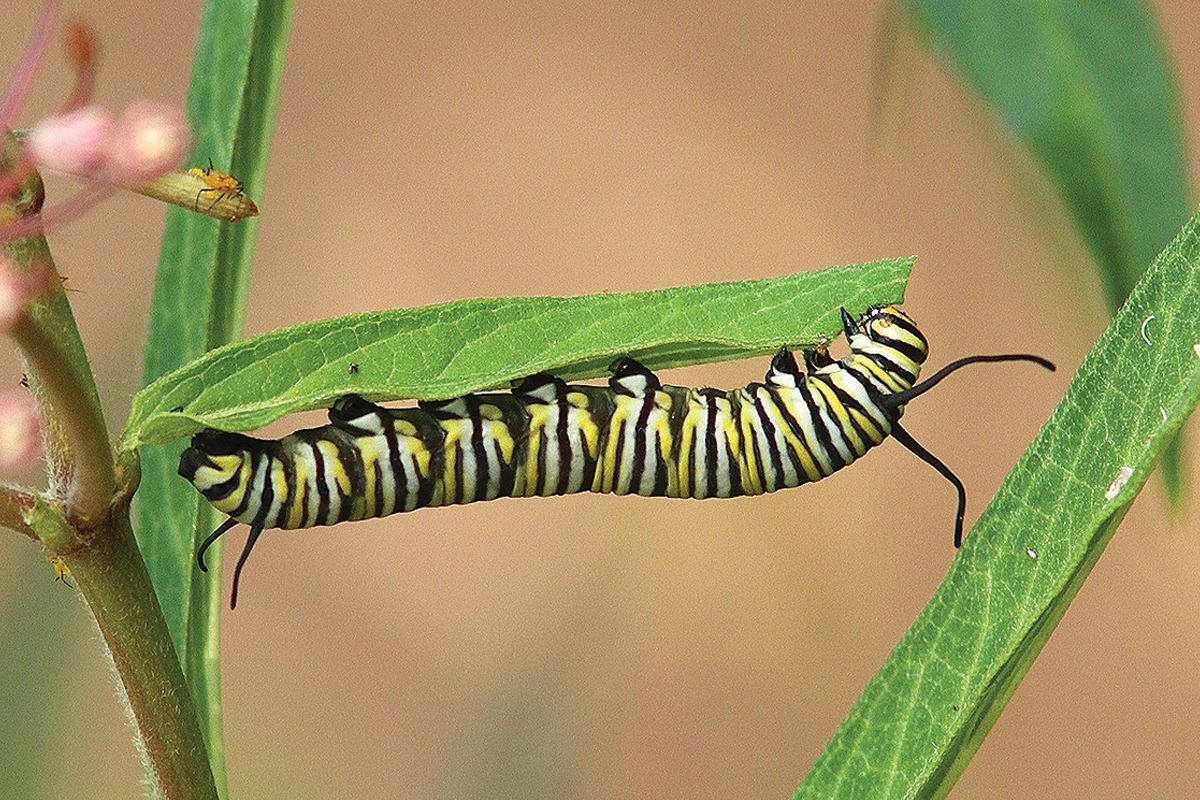
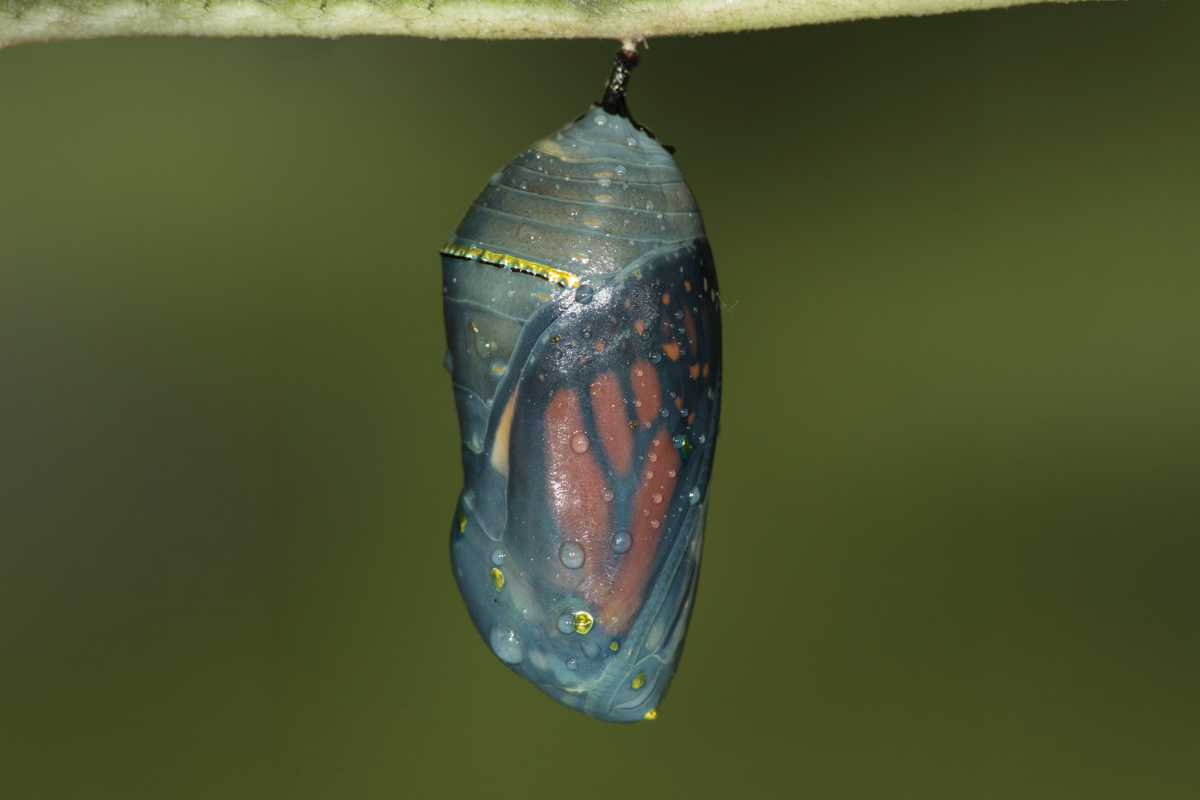
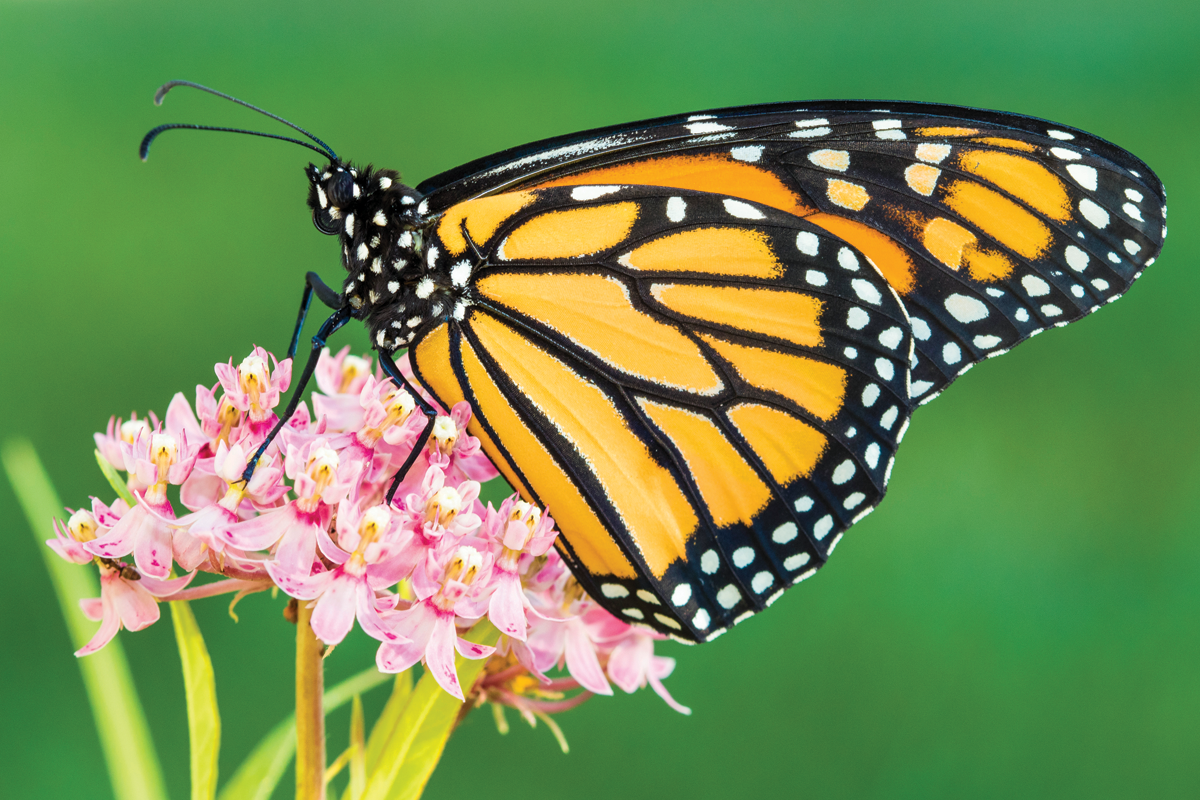
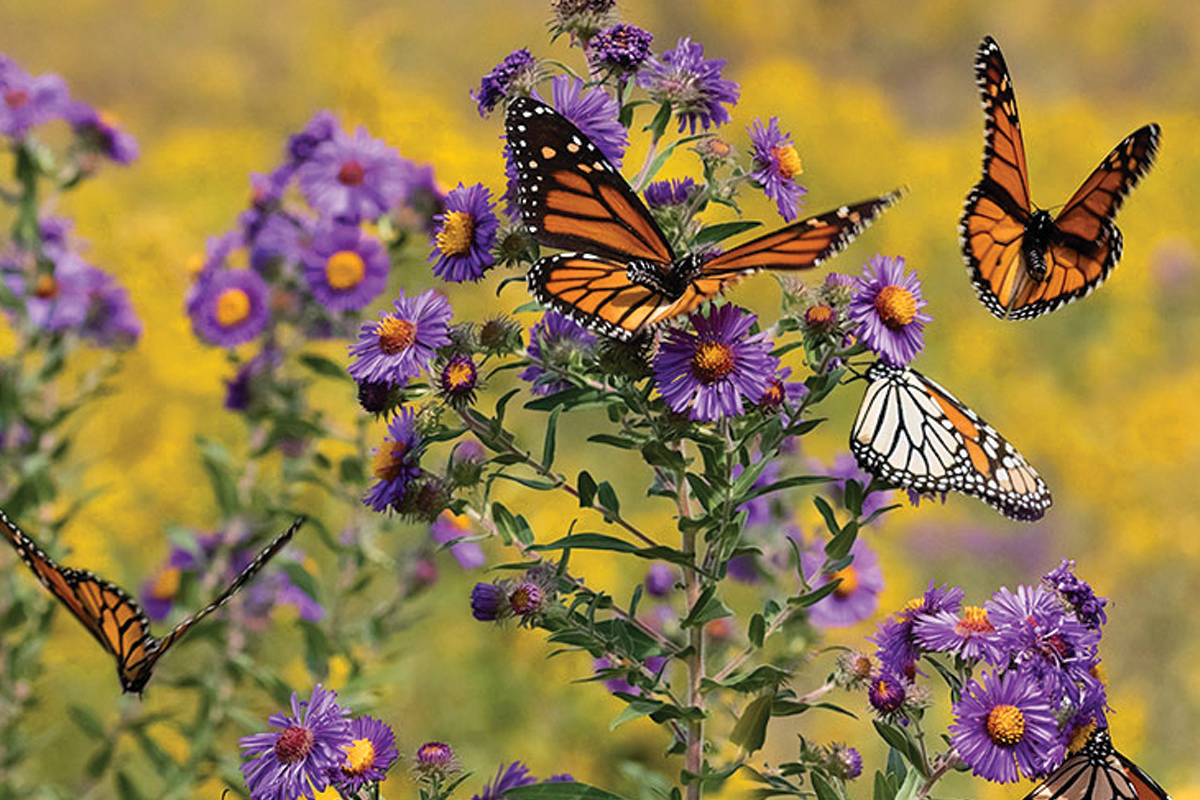
The Super Generation
When the temperatures drop, days become shorter, and monarch food sources peter out, the butterflies in the Capital City and elsewhere in the Midwest somehow realize that it is time to head to Mexico. However, not all monarchs we see in Jefferson City make the trip.
Most monarchs live only four to six weeks, with several generations produced in a single year. The monarchs that unfold their wings from chrysalises in late summer or early fall have a different biological makeup, allowing them to make the strenuous migration.
This “super generation” lives eight times longer and travels 10 times farther than monarchs born earlier in the growing season. To conserve energy, this generation delays mating and egg-laying. They also “bulk up” on nectar from flowers they find during the flight south, both to fuel their journey and to store fat for the winter ahead.
When migrating monarchs reach central Mexico, they congregate in high-altitude forests west of Mexico City. On mountain slopes covered by oyamel fir trees, millions of monarchs hang from fir branches with folded wings. The trees provide shelter and a stable temperature for the insects’ several-month hibernation.
Before venturing north in spring, this same “super generation” gains the ability to reproduce. As the butterflies fly north from their hibernation site, they lay eggs on milkweed plants along the way, from Texas to to Canada.
Taking the Pledge
When Mayor Ron Fitzwater signed the National Wildlife Federation’s Mayors’ Monarch Pledge in 2025, Jefferson City joined hundreds of communities across North America committed to supporting monarch butterflies and pollinating insects.
“As part of the pledge,” says Molly Bryan, the Jefferson City Public Information Coordinator, “the City committed to implementing actions such as creating native pollinator habitats and incorporating monarch conservation into future planning efforts, including the City’s Park Master Plan.”
Through a partnership with the Missouri Department of Conservation's Community Conservation Cost-Share Program, Jefferson City has incorporated native landscaping into the River Market. The site includes 25 native trees and 432 native plants.
“These native plantings, including several species of milkweed, provide important nectar sources and breeding habitat for native bees, butterflies including monarchs, and moths, helping support pollinators throughout their life cycles while enhancing the beauty and ecological value of Jefferson City’s riverfront,” says Stacy Landwehr, Jefferson City Park Resource Supervisor.
Other action items include engagement with developers, neighborhood associations, and other community leaders to identify opportunities to establish monarch habitat and planting and maintaining a monarch garden at a prominent community location.
How You Can Help
Fall is ideal for gardening. Planting one or more milkweeds now, like butterfly milkweed and marsh milkweed, will help provide food for monarch caterpillars during the spring and summer. Addionally, you can plant other native wildflowers to provide nectar for adult monarchs. Plant species that bloom in late summer and fall, when migrating monarchs need as many nectar-calories as possible to fuel their journey south. Native goldenrods, New England aster, aromatic aster, boneset, and blazing stars are ideal late bloomers. By working together, we can ensure that the monarch butterfly will be around for generations to come. To find native plant suppliers, monarch gardening tips, and step-by-step native gardening instruction, visit grownative.org.